RAFAL ZAJKO
MISREMEMBERING FOR FUN
Interview by Sebastián Sturla
Have you ever told a story and knowingly slipped in a little lie? Don't worry, we all do it. Actually, it’s an important part of storytelling - those slight embellishments make that camping trip you took last summer sound a lot more fun. Misremembering, intentional or not, is a key characteristic of our collective human experience and an important social tool. We normally relate this concept to language; lies are generally spoken after all. So, what does a mistruth look like physically?
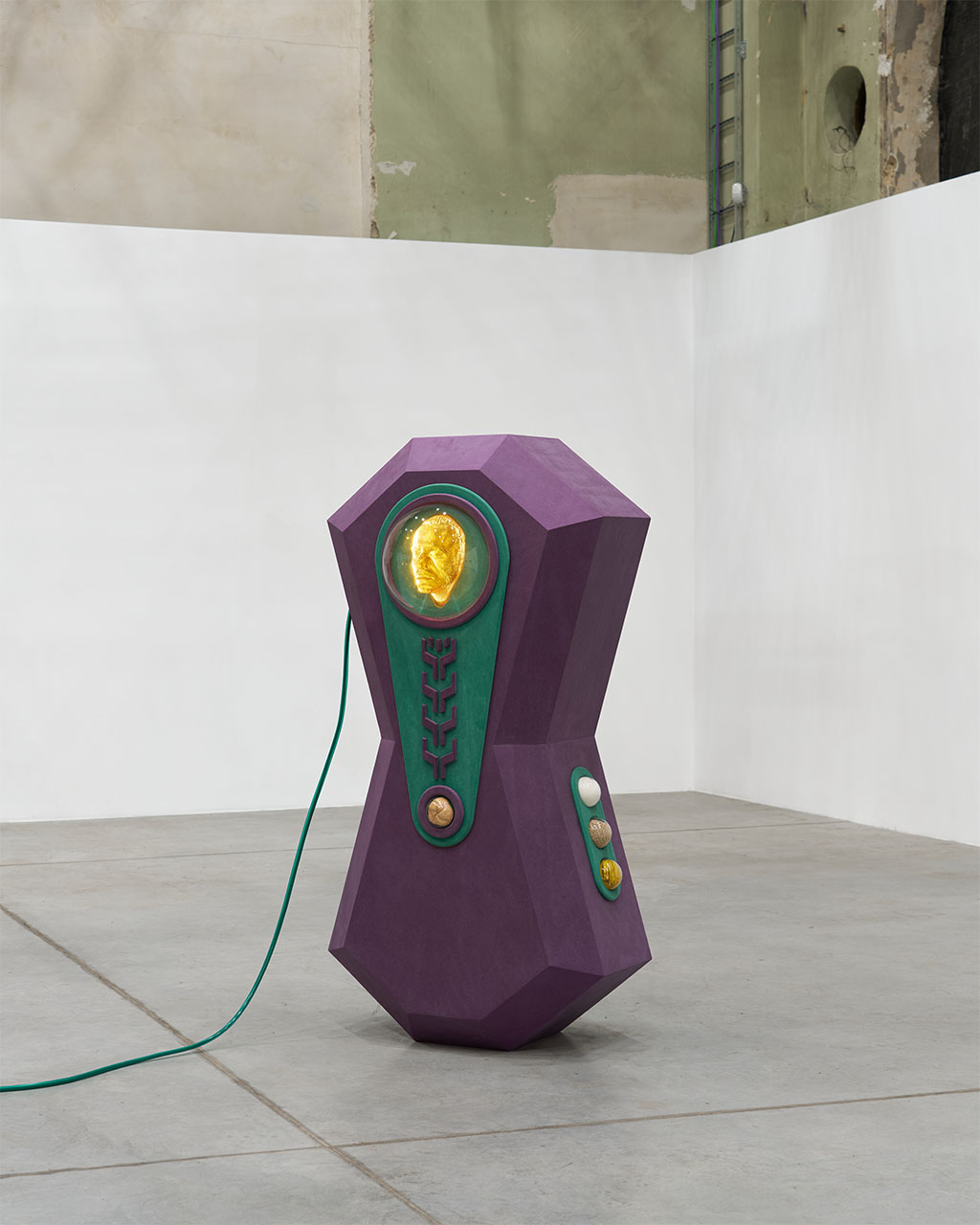
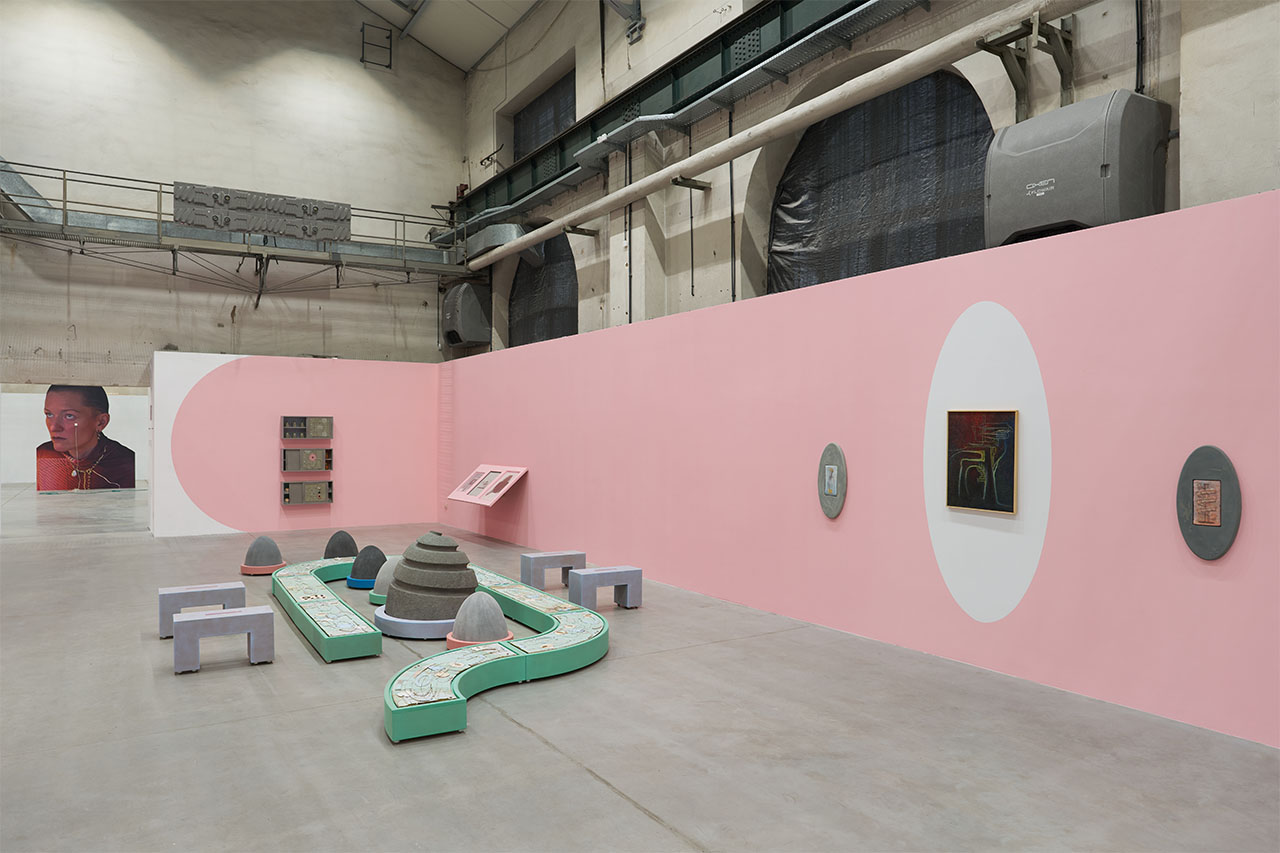
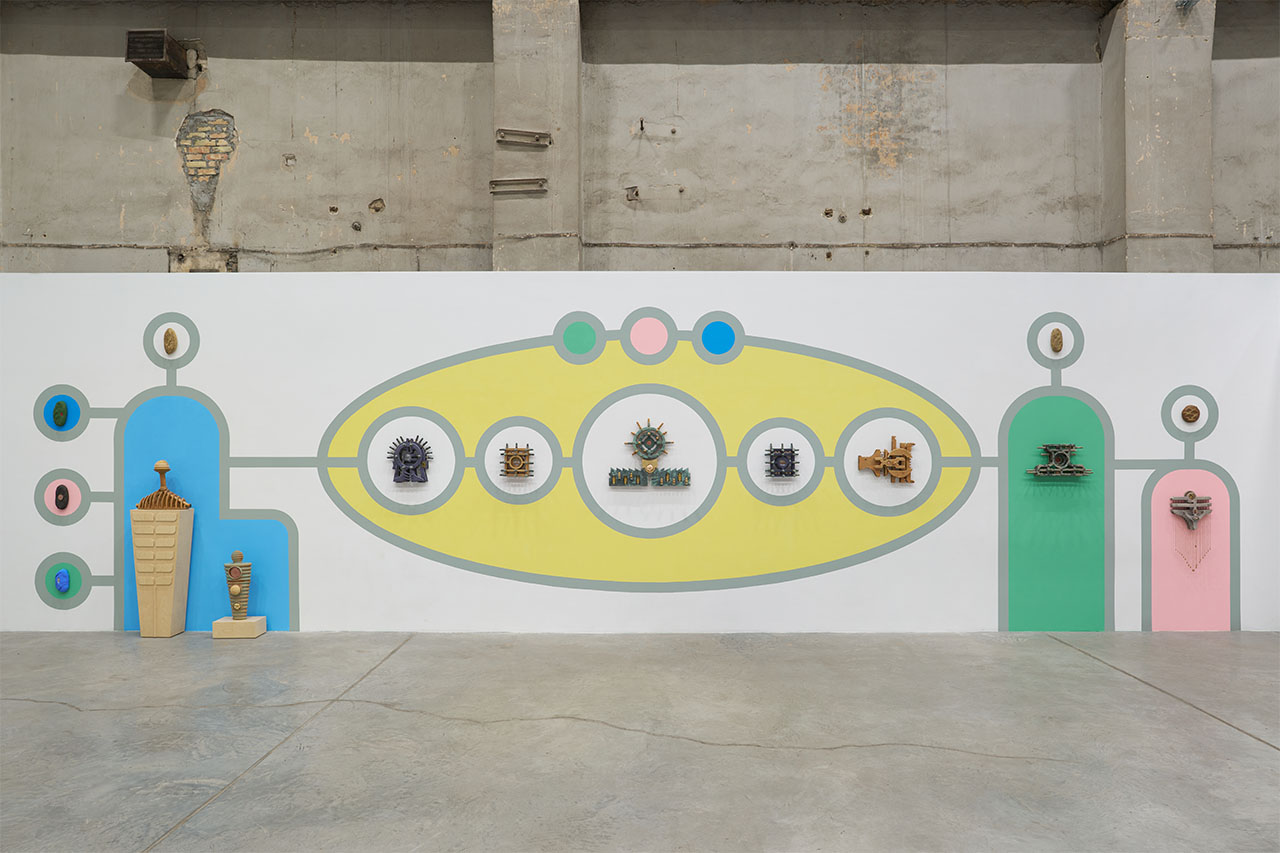
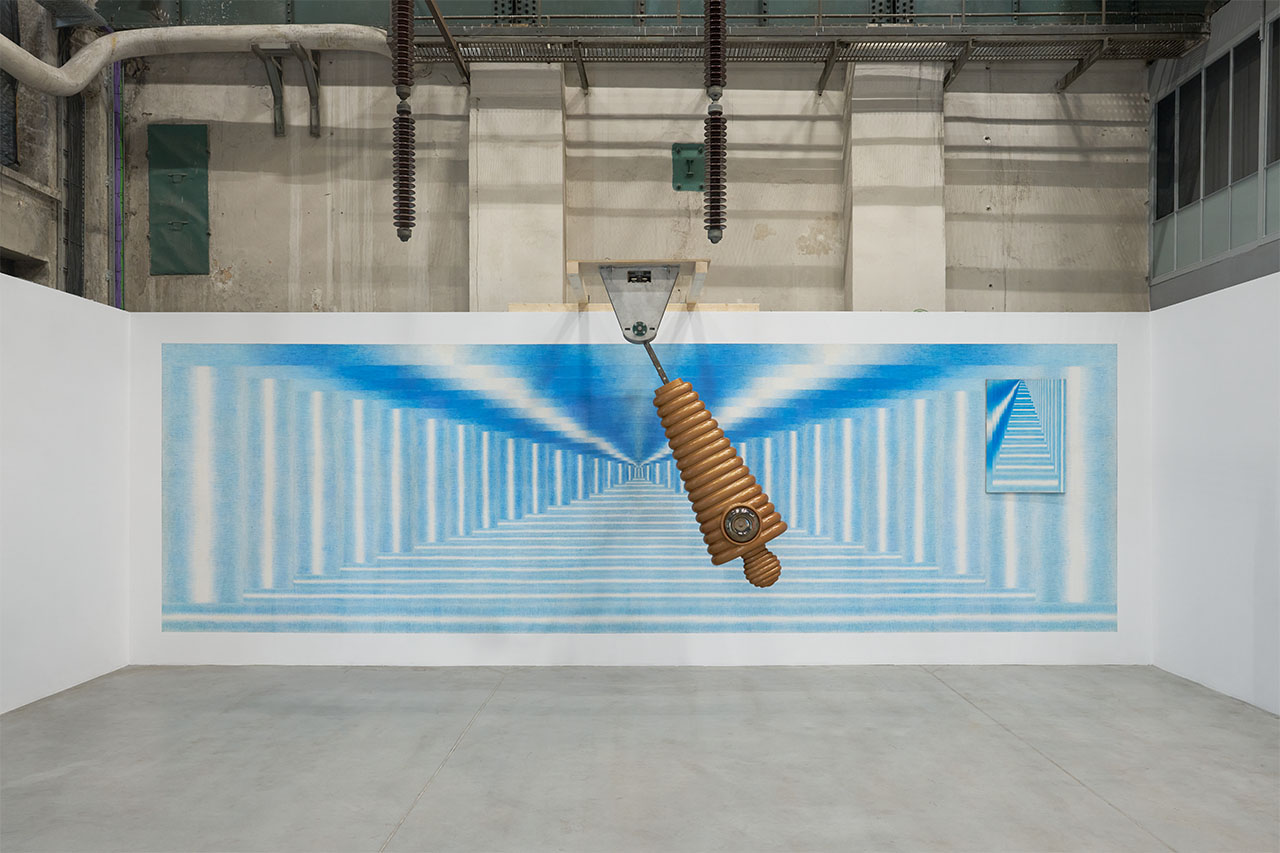
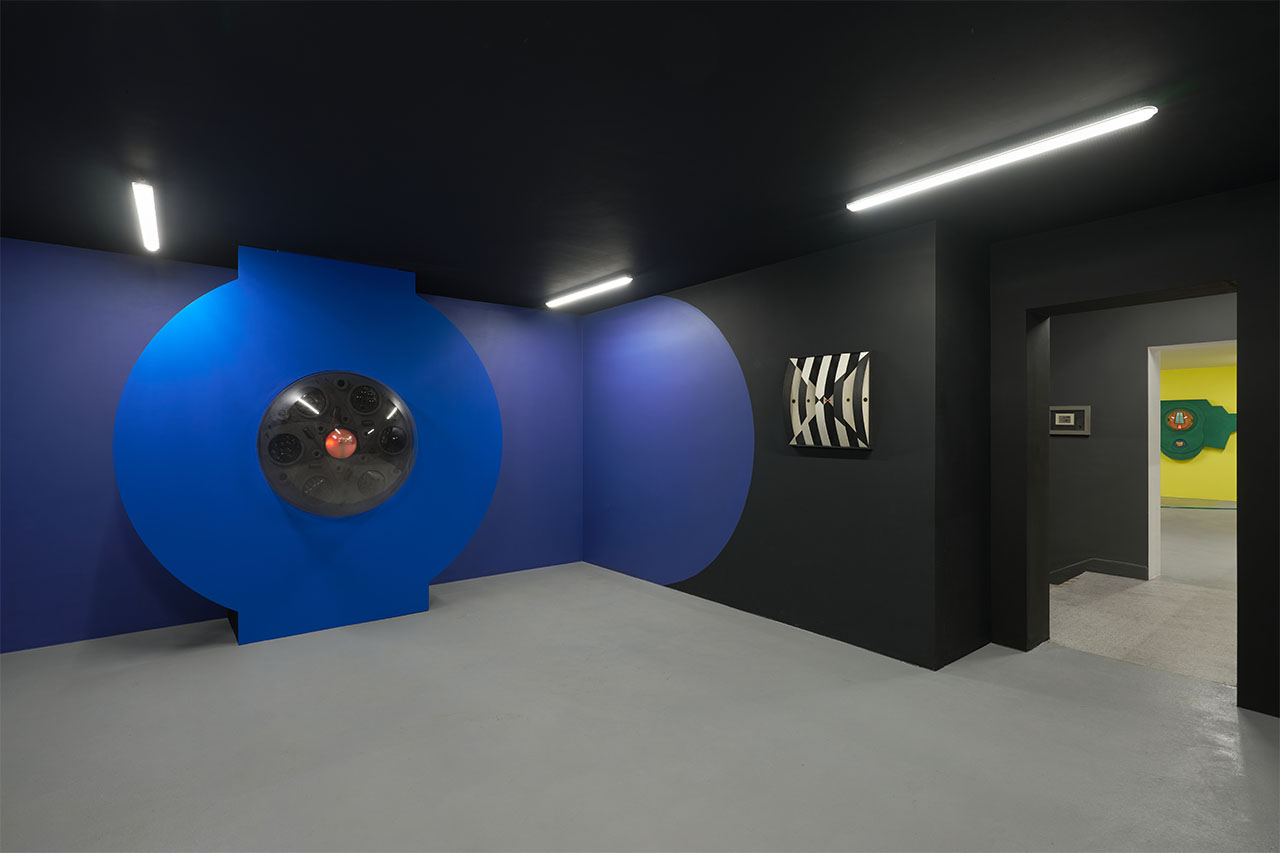
Enter Rafał Zajko, a London-based sculptor and designer, whose work sits somewhere between architecture and theatre. Drawing from folklore, ruins, and post-industrial spaces, the Polish-born artist creates spaces that feel haunted by memory. More accurately, the memory of someone who likes to tactfully play with the truth. A lot of his work revolves around atmosphere. Churches, underground passages, monuments, archives, and forgotten interiors become starting points for pieces that explore how emotions and histories linger inside materials long after their original purpose disappears.
Like the rest of us, rather than recreating history faithfully, Zajko is more interested in distortion, fragmentation, and reconstruction. His work treats the past as something malleable: constantly shifting, accumulating new meanings over time. That openness extends to the audience, too. Instead of over-explaining, he leaves space for viewers to bring their own memories, fears, and associations into the encounter. His installations are a long chat with an old friend in a world of two-paragraph emails. Even though the two of you grew apart, there’s a strong familiarity deep within the novelty. You’re meant to take the time to sit in ambiguity, decide for yourself what things mean, find what you like, or what you don’t. In Zajko’s world, production means nothing without reception.
I caught up with Rafał last spring to ask about his latest installation:
Tell us a bit about your work and its relation to what surrounds you.
My work often begins with architecture, folklore, religious ornamentation, institutional spaces, and systems of collective memory. I’m interested in how histories remain present through objects, surfaces, and rituals, even after their original meanings have partially dissolved.
I grew up in Poland, and I think that background inevitably shaped my sensitivity towards decay, symbolism, and improvised forms of spirituality. There’s also a tension in my work between something monumental and something fragile or intimate. I’m interested in objects that feel suspended between different time periods, or between functionality and myth.
Any specific goal that you try to achieve with your art?
I don’t think art necessarily needs to provide answers, but I hope my work can create a space where people slow down and become more attentive to atmosphere, memory, and emotional ambiguity. I’m interested in creating encounters that feel psychologically charged without becoming overly descriptive. Ideally, the work allows viewers to project their own associations onto it.
Have you ever experienced that your art acquired some purpose beyond your intentions?
Definitely. Once work leaves the studio, it no longer fully belongs to me. People bring their own biographies, fears, desires, and references into the encounter. Sometimes viewers read things into the work that I hadn’t consciously considered, but which still somehow feel accurate. I think objects absorb meanings over time. That’s true historically, but also emotionally. I’m very comfortable with the idea that artworks continue transforming after I finish them.
How much is your art yours, or how much is it the end product of a complex process of interpretation and re-signification of previous artists’ work? What do you take from the past, and what future would you like to build with it?
Nothing exists in isolation. I think all art is part of a longer conversation across time. I’m deeply interested in historical forms, liturgical objects, craft traditions, ruins, decorative languages, and theatricality.
But I’m not interested in nostalgia. I don’t want to reconstruct the past faithfully. I’m more interested in misremembering it, fragmenting it, or allowing it to mutate into something contemporary.
The future I’m interested in is one where emotional and symbolic complexity still matters. A future where objects aren’t entirely reduced to speed, consumption, or efficiency. Which admittedly feels ambitious while everyone scrolls through images at the apocalyptic speed.
On that note, tell us a bit about your influences, what inspires you?
Architecture is a huge influence, especially sacred and institutional architecture. I’m inspired by reliquaries, funerary spaces, theatre sets, archives, science fiction, folk rituals, and public monuments.
I’m also very inspired by literature and cinema that operate through atmosphere rather than narrative clarity. Tarkovsky, Żuławski, Derek Jarman, Tadeusz Kantor.
Materials themselves are also influential. Ceramics especially carry this strange relationship between fragility and permanence that I find endlessly compelling.
Read Rafał Zajko's full conversation with TUNICA in Volume X. Get yours here.